3D Printing & Prototyping
Prove the Design Before the Batch.
Prototype parts and fit-check models that shorten the path from a design to a machined, inspected component.
Prototyping
A prototype answers questions that a drawing cannot: does it fit, can it be assembled, does it do its job.
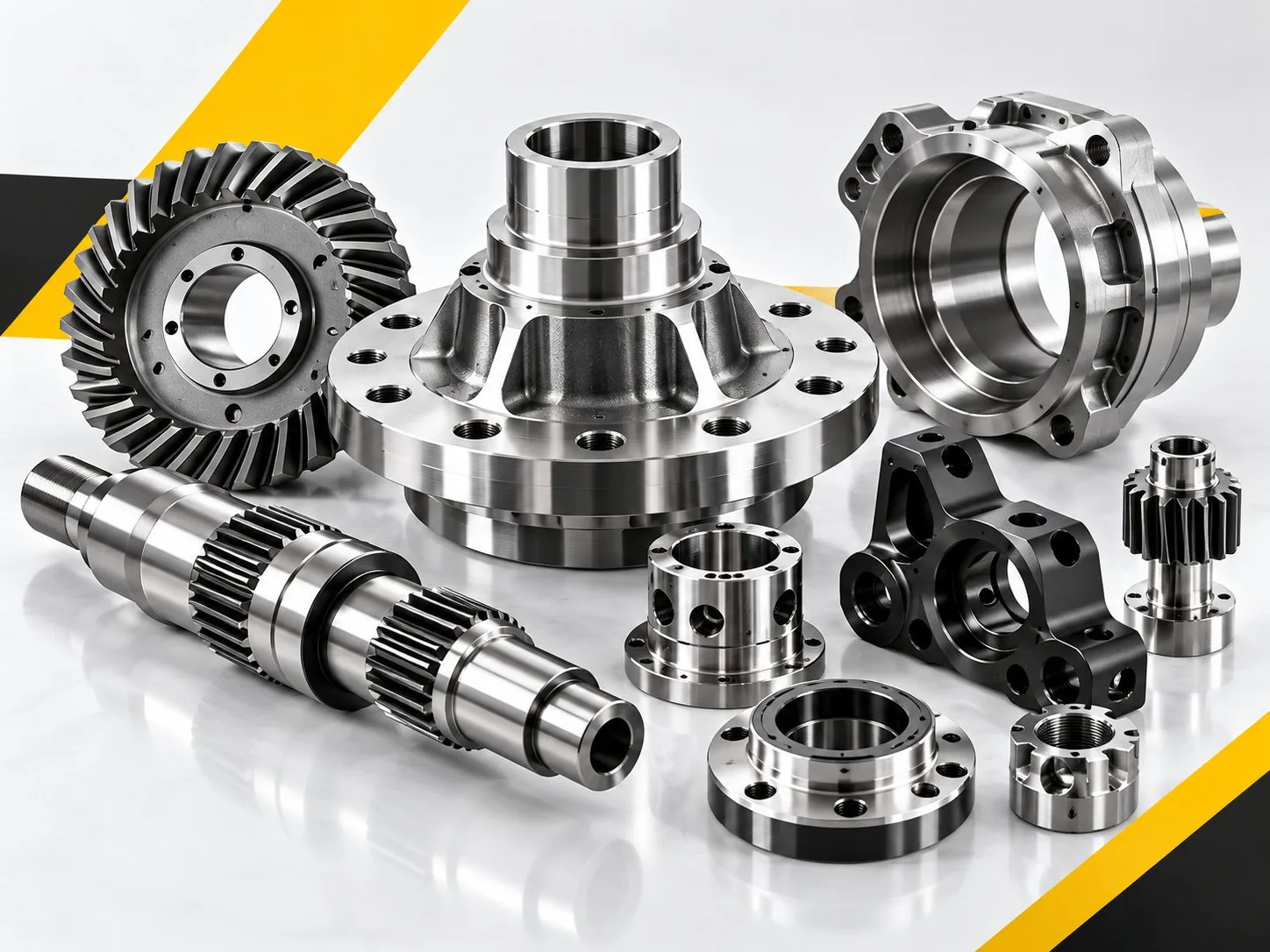
Printed models are used for form and fit checks, fixture trials and design reviews; machined prototypes are made in the production material when the part has to be tested.
Because prototyping sits beside reverse engineering, programming and inspection, what is learned from the first part goes straight into the manufacturing plan.
Scope
What It Covers
Prototype parts and fit-check models that shorten the path from a design to a machined, inspected component.
- Ø1Form and fit modelsPrinted parts to check assembly, clearances and ergonomics before metal is cut.
- Ø2Machined prototypesOne-off and small-quantity parts in the specified material, made to the drawing.
- Ø3Fixture and gauge trialsWork-holding concepts are tried on a printed part before the fixture is made.
- Ø4Development hardwarePrototypes, test articles and small batches while a design matures.
Specifications
Capability at a Glance
Part-specific tolerances, sizes and lead times are confirmed in the engineering review, feature by feature.
| Parameter | Capability |
|---|---|
| Quality management system | AS9100:D and ISO 9001:2015 (Intertek, certificate 0255722-00) |
| Prototype types | Printed form and fit models; machined prototypes in the specified material |
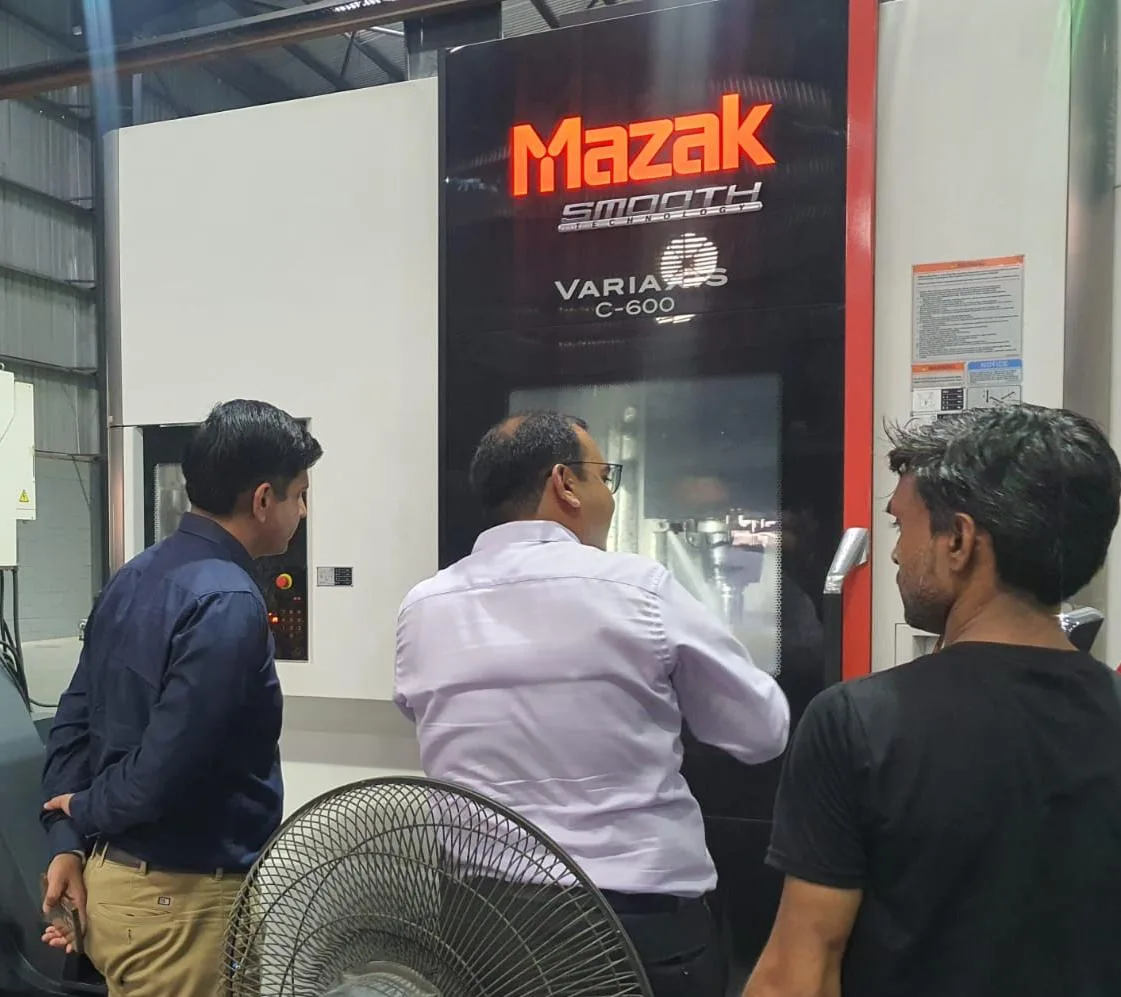
| Machining | Mazak VARIAXIS C-600, Haas EC-400 |
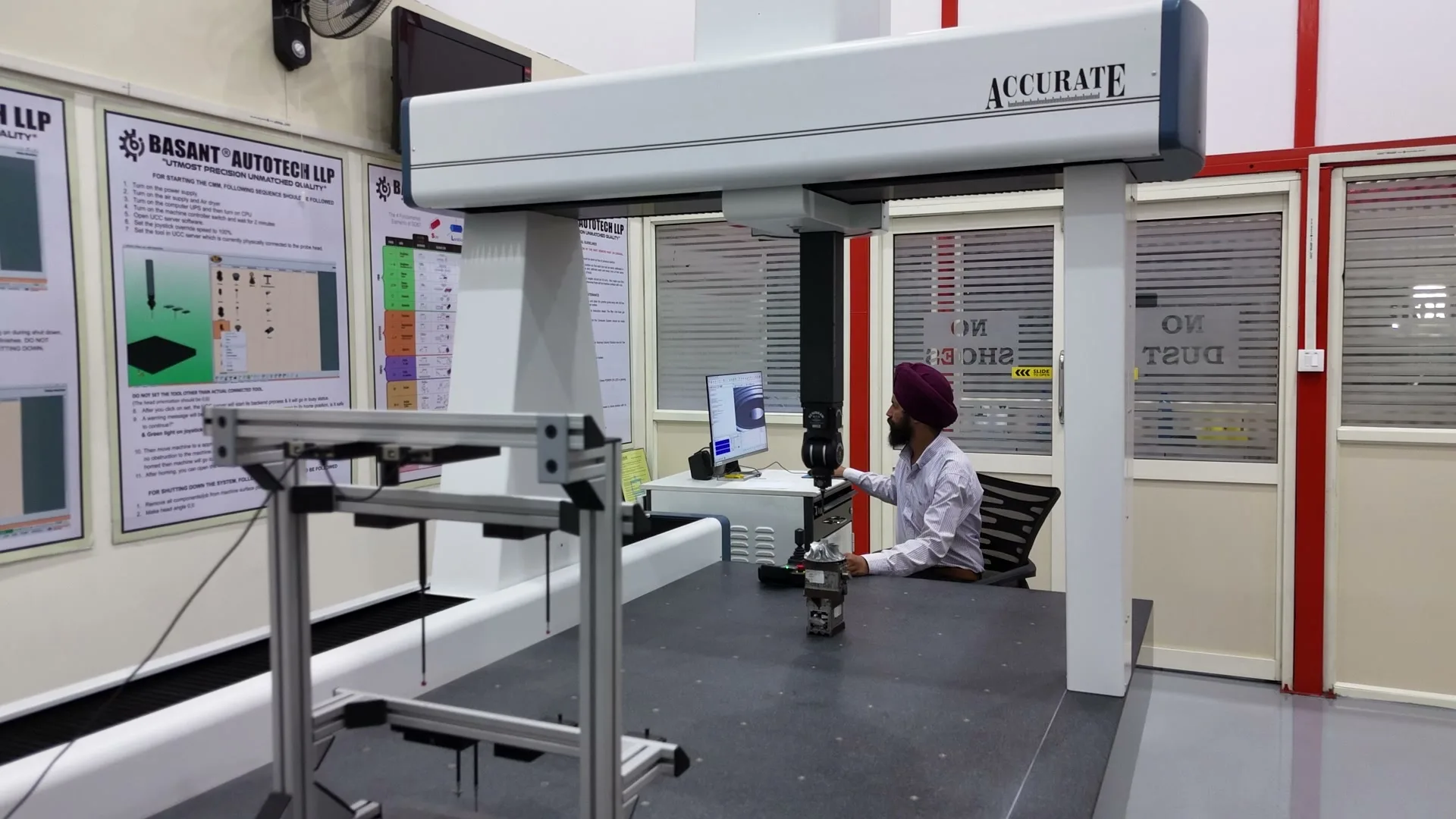
| Inspection | Bridge-type coordinate measuring machine with Renishaw UCC controller |
| Printing process and material | Confirmed for each prototype in the engineering review |
Engineering Support
Before the Machine Starts.
Every RFQ begins with technical evaluation.
Our engineering team reviews available drawings, models, materials, tolerances, quantities and inspection requirements before determining the manufacturing approach.
This allows potential manufacturing challenges to be identified before production begins.
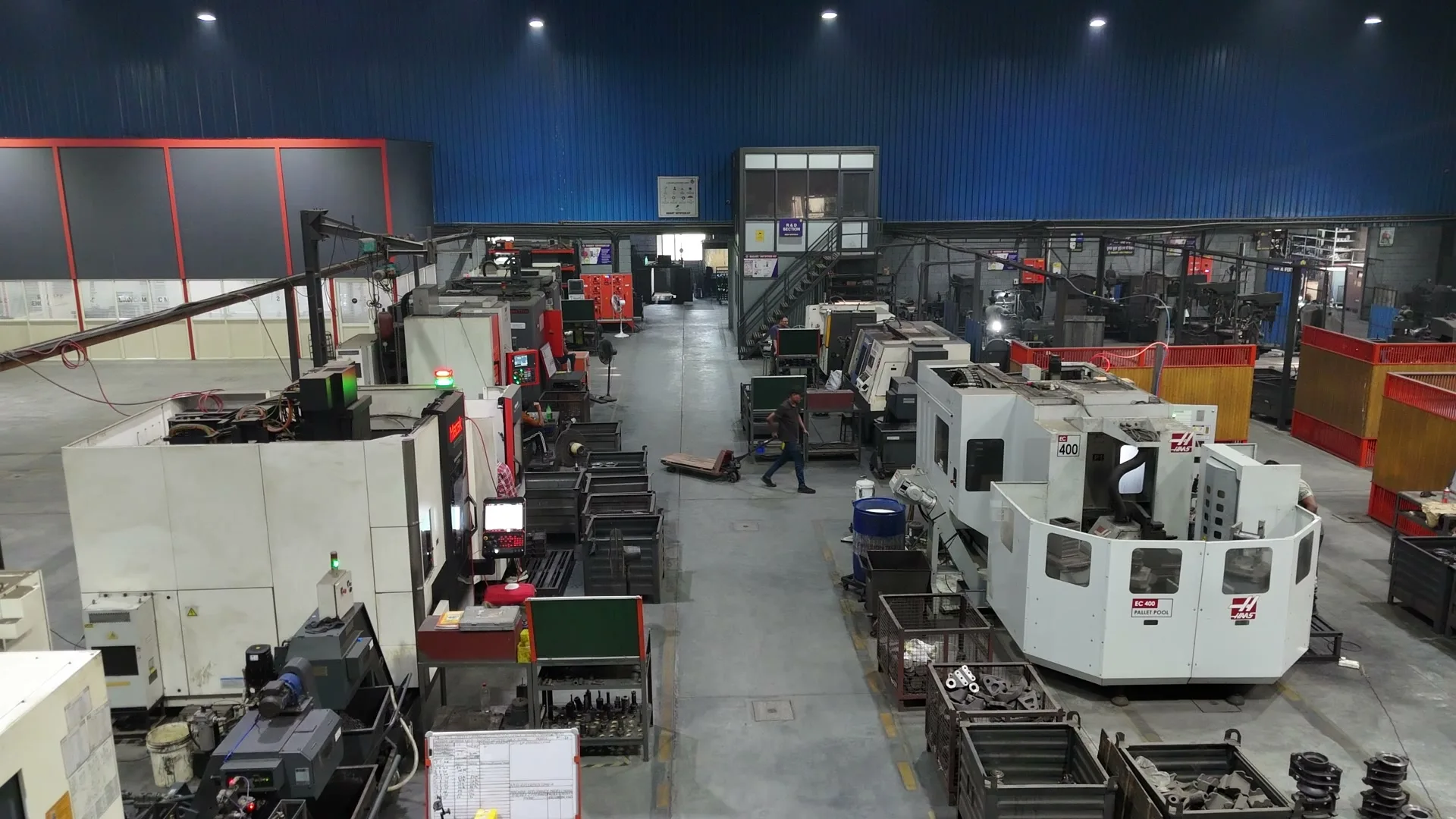
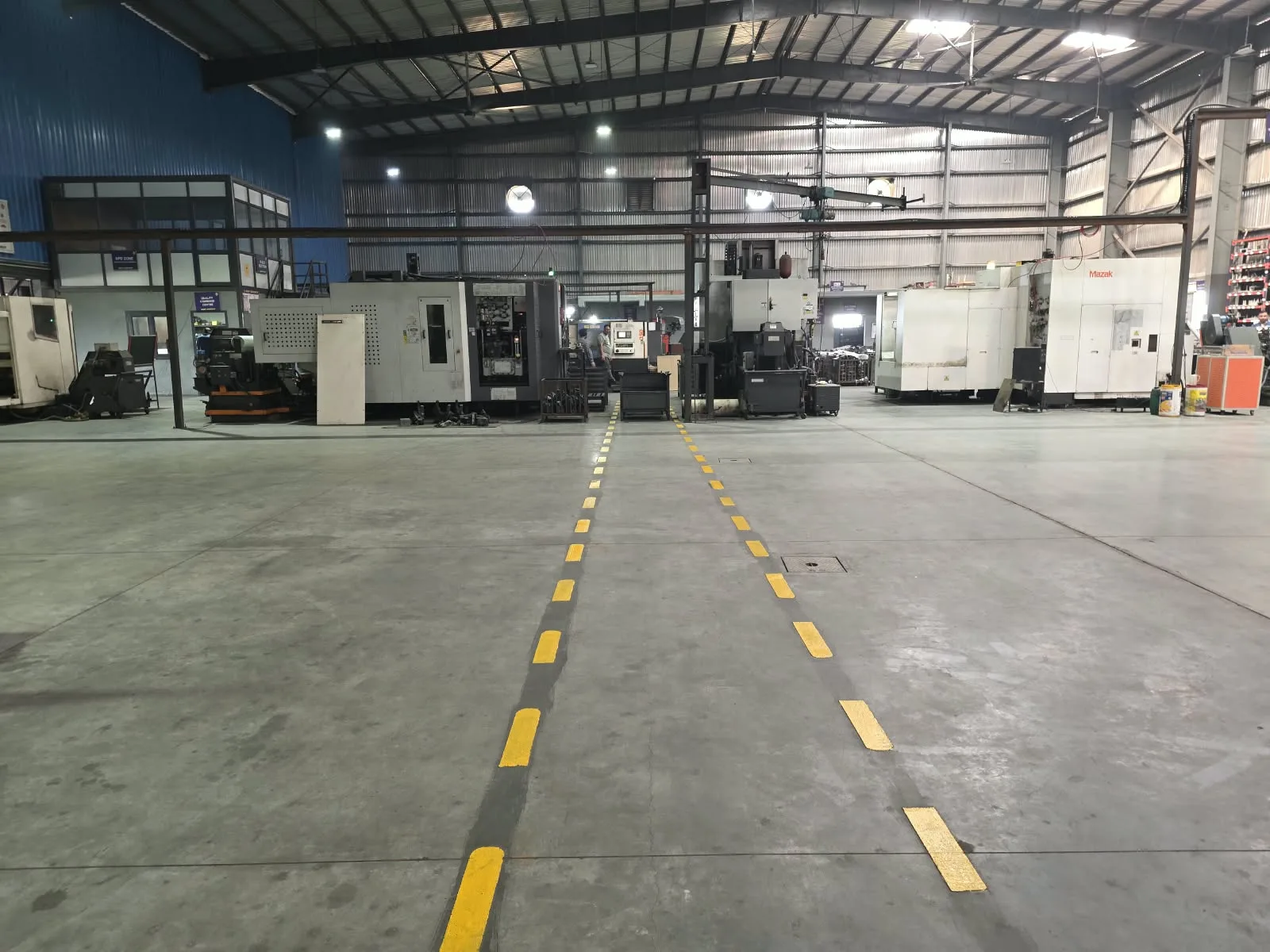
Machining hall, Basant plant
Advantages
Why 3D Printing & Prototyping at Basant
- Ø1Early answersFit and assembly issues surface before production tooling and programs are committed.
- Ø2Right method for the questionA printed model for fit, a machined part for function. We recommend which you need.
- Ø3Same route to productionThe prototype is made by the team that will plan the production process.
- Ø4MeasuredPrototypes can be inspected so that test results are tied to known dimensions.
- Ø5Works with reverse engineeringA rebuilt model can be checked physically against the original assembly.
- Ø6ConfidentialDevelopment work is handled under NDA when you ask for one.
Process
How the Work Runs
Every job follows the same controlled sequence, from the first look at the drawing to the recorded result.
- Ø1BriefWe agree what the prototype has to prove.
- Ø2MethodPrinting or machining is chosen to suit the question and the material.
- Ø3BuildThe prototype is produced from your model.
- Ø4CheckIt is measured or trial-fitted and the findings are recorded.
- Ø5Next stepThe design is updated, or the part moves to production planning.
FAQ
Common Questions
- A printed model is the quickest way to check shape, fit and assembly. If the prototype has to carry load, seal, or be tested in service conditions, it should be machined from the specified material.
- Tell us what the prototype has to demonstrate and we will confirm the process and material that suit it when we review your inquiry.
- Yes. Programs, fixtures and the inspection plan developed for a machined prototype are carried into the production process.
- Yes. The sample is reverse engineered into a CAD model first, and the prototype is produced from that model.
- A 3D model (STEP) together with a 2D drawing (PDF or DWG) that carries the tolerances, material, finish, quantity and quality requirements. If you only have a sample part or a sketch, send what you have. The engineering review will tell you what else is needed.
- Yes. Request an NDA from the contact page before you upload anything; files sent through this website are stored privately and are only seen by the team reviewing your inquiry.
More Capabilities
Scan. Engineer. Machine. Inspect.
One integrated engineering workflow, on one site.
- 01 /5-Axis MachiningComplex, multi-face components machined in fewer setups, with the datum structure kept intact.
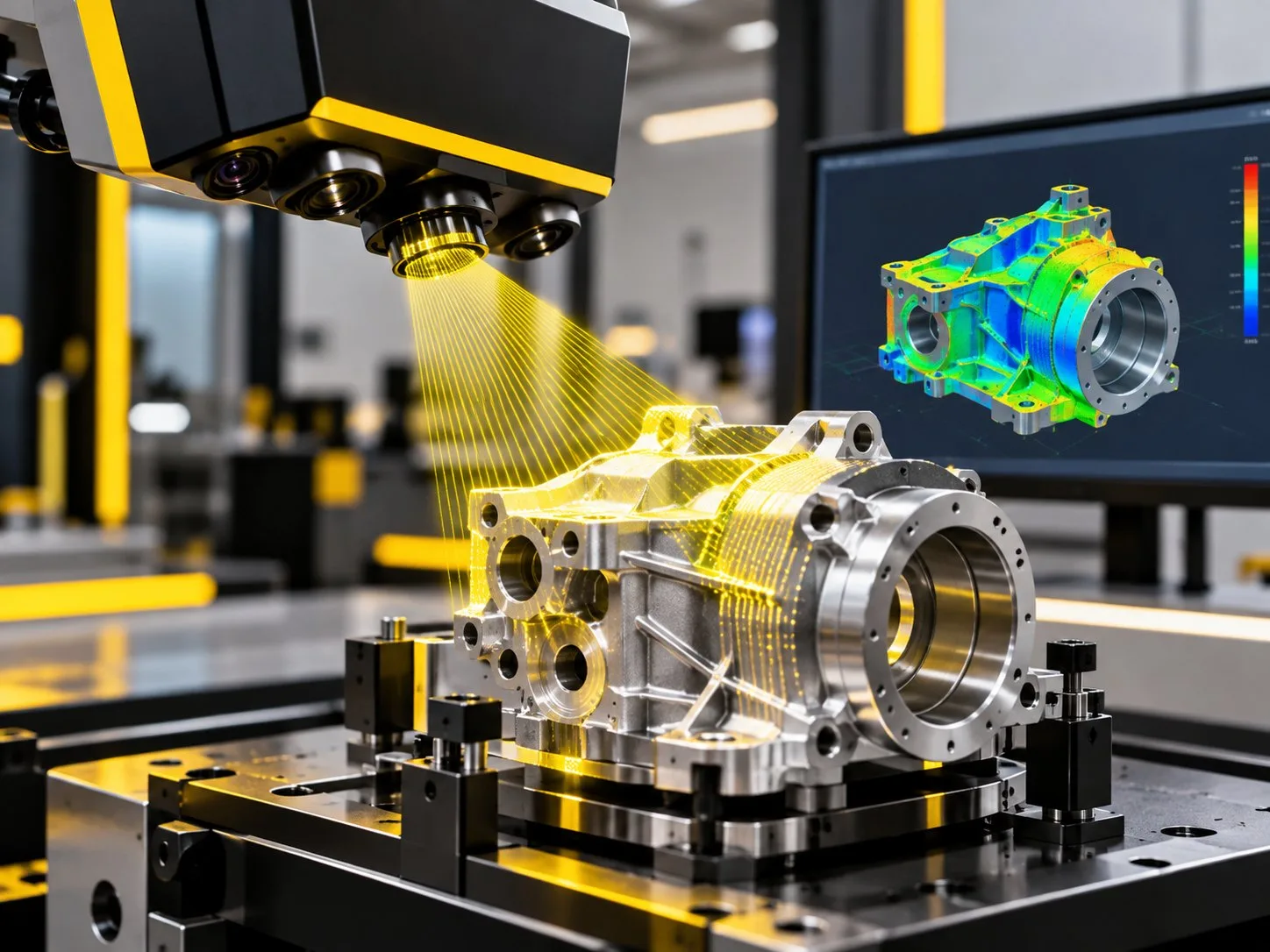
- 02 /Reverse Engineering & 3D ScanningFrom a physical sample to a model and a drawing you can manufacture and inspect against.
- 03 /CMM & Precision MetrologyDimensional inspection that proves a component meets its drawing, and records it.
- 04 /CAD/CAM EngineeringDigital manufacturing workflows connecting component design with efficient, verified machining strategies.